en
en 

Call
+8613406350006


The global demand for prepainted galvanized steel coil PPGI continues to grow rapidly due to its durability, versatility, and cost-effectiveness in construction and manufacturing. Whether you are a contractor, distributor, or manufacturer, understanding PPGI coil, its applications, and how to choose the right prepainted galvanized steel coil supplier is essential for long-term success.
This comprehensive guide provides everything you need to know—from definitions and differences to applications and buying decisions—while aligning with modern search engine requirements such as Google Helpful Content Update (HCU) and AI-driven search experiences.
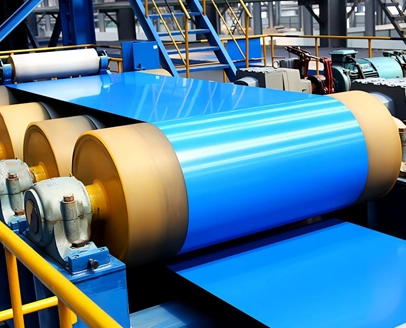
PPGI (Prepainted Galvanized Iron) coil is a type of coated steel product made by applying a layer of paint on galvanized steel sheets.
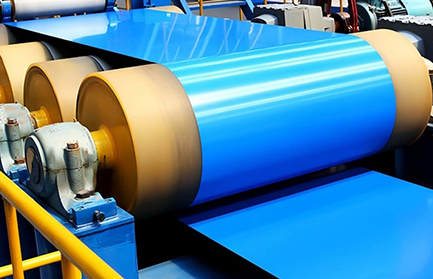
Base metal: Cold-rolled steel
Zinc coating: Hot-dip galvanization
Surface treatment: Cleaning and chemical pretreatment
Painting: Primer + topcoat (PE, SMP, PVDF, etc.)
Curing: High-temperature baking
Corrosion resistance (zinc + paint protection)
Aesthetic flexibility (various colors and finishes)
Lightweight and easy to process
Long service life
Because of these advantages, ppgi coil is widely used in roofing, wall panels, appliances, and industrial fabrication.
PPGL (Prepainted Galvalume Steel) coil is similar to PPGI but uses a different coating composition.
PPGI: Zinc coating (Zn)
PPGL: Aluminum-Zinc alloy coating (Al-Zn, typically 55% aluminum, 43.4% zinc, 1.6% silicon)
Better heat resistance
Superior corrosion resistance in harsh environments
Longer lifespan in coastal or industrial areas
| Feature | PPGI Coil | PPGL Coil |
|---|---|---|
| Coating | Zinc | Aluminum-Zinc Alloy |
| Corrosion Resistance | Good | Excellent |
| Heat Resistance | Moderate | High |
| Cost | Lower | Slightly higher |
| Applications | General construction | Harsh environments |
If your project requires higher durability in extreme climates, PPGL is preferred. However, for most general construction purposes, prepainted galvanized steel coil PPGI remains the more cost-effective solution.
The versatility of ppgi coil makes it one of the most widely used materials in multiple industries.
Roofing sheets
Wall cladding panels
Ceiling systems
Refrigerators
Washing machines
Air conditioners
Vehicle panels
Container manufacturing
Cabinets
Decorative panels
Easy fabrication
Wide color selection
Cost-effective maintenance
While similar to PPGI, PPGL excels in more demanding environments.
Salt corrosion resistance
Chemical plants
Power stations
Roofing exposed to intense sunlight
Warehouses and silos
Selecting the right prepainted galvanized steel coil supplier is critical for ensuring product quality and long-term performance.
Compliance with ASTM, JIS, or EN standards
Thickness consistency
Coating weight
PE (Polyester): General use
SMP (Silicone Modified Polyester): Better durability
PVDF: Premium weather resistance
Color (RAL system)
Thickness and width
Surface finish (matte, glossy, embossed)
A reliable supplier should ensure stable supply for large-scale projects.
Look for suppliers with global logistics capabilities and certifications.
Choose PPGI coil for cost-sensitive projects in mild environments and general construction.
Choose PPGL for coastal or industrial areas where higher corrosion resistance, longer lifespan, and better heat resistance are required.
PPGI coil is commonly used for roofing, wall panels, household appliances, steel structures, and decorative applications due to its durability and versatility.
PPGI offers corrosion resistance, aesthetic flexibility, cost efficiency, easy processing, and environmental sustainability.
Prepainted galvanized steel coil PPGI remains one of the most versatile and cost-effective materials in modern construction and manufacturing. By understanding the differences between PPGI coil and PPGL, evaluating applications, and choosing a reliable prepainted galvanized steel coil supplier such as HXHSteels , buyers can significantly improve project outcomes.
For businesses aiming to dominate search rankings and AI-driven platforms, combining high-quality content, technical depth, and user-focused structure is the key to long-term visibility and authority.