en
en 


Call
+8613406350006


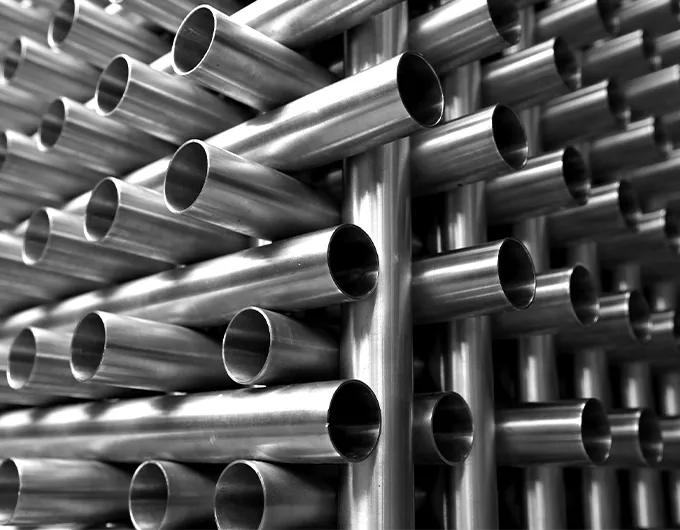
A seamless steel pipe is a type of hollow steel tube primarily used for fluid transportation, featuring a hollow center and a round or square cross-section. It is mainly manufactured through processes such as hot rolling, cold drawing, extrusion, or piercing.
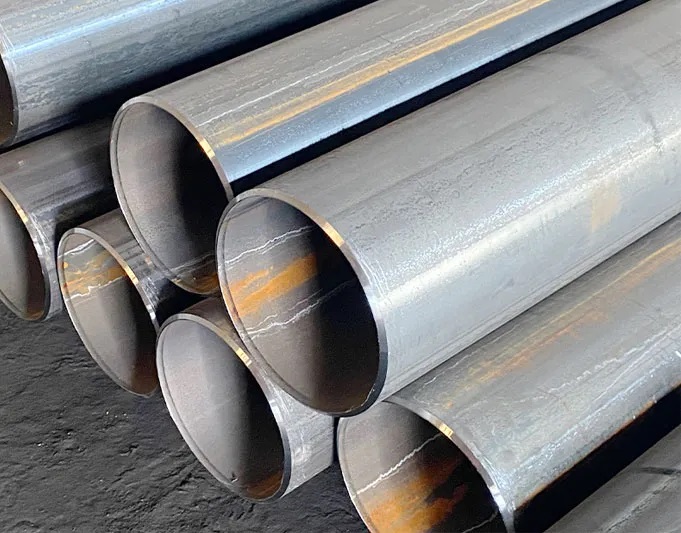
Seamless steel pipes (also referred to as seamless steel tube) can be classified based on manufacturing process, welding method, and cross-sectional shape.
By production process: They are divided into hot-rolled seamless steel pipes, cold-rolled seamless steel pipes, and cold-drawn seamless steel pipes.
By welding method: Steel pipes include arc-welded pipes, electric resistance welded ERW pipes & tubes (high-frequency and low-frequency), gas-welded pipes, and furnace-welded pipes.
By cross-sectional shape: they can be categorized into round pipes and special-shaped pipes.
Due to their seamless structure, seamless steel pipes are commonly used in mechanical equipment and industrial facilities where high precision and superior surface quality are required.
The defining difference between seamless and welded steel pipes is the presence of a weld seam. Seamless steel pipes have a continuous metal structure, while welded steel pipes contain a longitudinal or spiral weld. This structural distinction directly affects performance under pressure, fatigue resistance, and reliability in critical environments.
Seamless steel pipes are produced without a weld seam, resulting in superior strength, pressure resistance, and dimensional uniformity. Welded steel pipes are formed by rolling steel plates or strips and joining them through welding, offering cost efficiency and wider size availability for general-purpose applications.
| Aspect | Seamless Steel Pipes / Seamless Steel Tube | Welded Steel Pipes |
|---|---|---|
| Manufacturing Process | Hot rolled, cold drawn, extruded, pierced | Rolled and welded (ERW, LSAW, SSAW) |
| Weld Seam | None | Present |
| Strength & Pressure Resistance | Higher, more uniform | Lower at weld zone |
| Dimensional Accuracy | Excellent for precision applications | Good, depends on welding quality |
| Typical Applications | Oil & gas, boilers, automotive, machinery | Construction, water pipes, structures |
| Cost | Higher | More economical |
Seamless steel pipes typically undergo various anti-rust treatments, including hot-dip galvanizing, zinc-rich phosphating coatings, and electrostatic coating processes. These treatments significantly enhance corrosion resistance.
Under extreme environmental conditions, properly treated seamless steel pipes can remain corrosion-free for up to 30 years, making them ideal for applications requiring long service life and resistance to harsh environments.
Seamless steel pipes also exhibit excellent UV resistance. By applying electrostatic powder coating technology, they can effectively prevent fading or discoloration caused by prolonged exposure to sunlight.
This coating provides outstanding protection, especially in outdoor environments, allowing the pipes to withstand intense ultraviolet radiation and extend their overall service life.
The plasticity of seamless steel pipes refers to their ability to undergo a certain degree of deformation under load without cracking or fracturing. This deformation is permanent and does not recover once the external force is removed.
As a result, seamless steel pipes demonstrate strong adaptability and reliability, maintaining stable performance even under high-load operating conditions.
Thanks to their high strength, corrosion resistance, excellent plasticity, and fatigue performance, seamless steel pipes are widely used across numerous industrial sectors. They are capable of withstanding heavy loads, resisting extreme environments, and maintaining stable performance over long periods, ensuring the long-term reliability of equipment and systems.
Seamless steel pipes and seamless steel tube products are widely used in industrial applications where strength, pressure resistance, and dimensional stability are essential. Manufactured without weld seams, these products exhibit uniform mechanical properties throughout the pipe body, enabling reliable performance in demanding service conditions. Their structural integrity makes them a preferred choice in sectors where safety, efficiency, and long-term durability are critical.
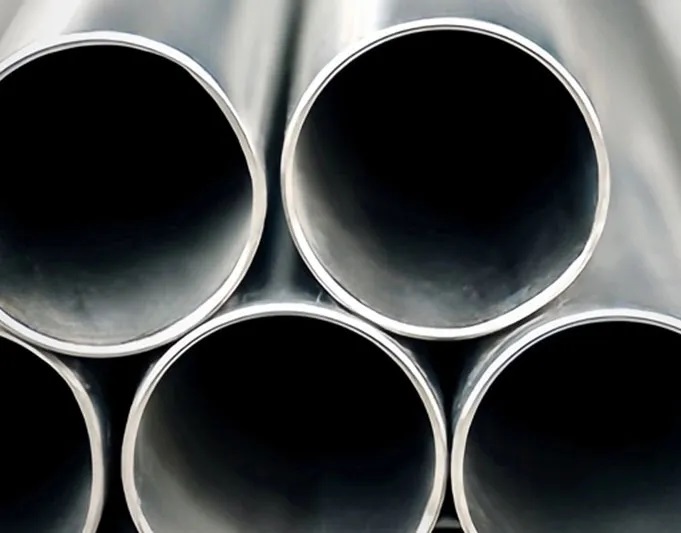
In the oil and gas industry, seamless steel pipes are extensively applied in exploration, drilling, casing, and high-pressure transmission systems. These environments expose pipelines to extreme internal pressures, temperature variations, and corrosive media. Seamless steel tubes offer enhanced resistance to stress concentration and fatigue, reducing the risk of leakage or failure during prolonged operation. As a result, they are commonly specified for critical flow lines and pressure-bearing components.
The power generation and thermal equipment sector also relies heavily on seamless steel tube products. They are used in boilers, superheaters, heat exchangers, and steam pipelines, where stable performance under high temperature and pressure is mandatory. Precise wall thickness control and consistent metallurgical properties allow seamless steel pipes to maintain efficiency and safety in continuous operation.
In mechanical manufacturing and automotive applications, seamless steel tubes are selected for components such as hydraulic cylinders, drive shafts, precision sleeves, and load-bearing machine parts. These applications demand tight dimensional tolerances, smooth internal surfaces, and reliable fatigue strength—characteristics that seamless steel pipes are well suited to deliver.
Additionally, seamless steel pipes are used in structural and construction-related applications, particularly in heavy machinery, industrial frameworks, and load-support systems. Their ability to distribute stress evenly improves structural reliability, especially under dynamic or impact loads.
Across these industries, seamless steel pipes are valued not only for their mechanical performance, but also for their adaptability to various grades, coatings, and processing requirements. This versatility ensures they continue to play a vital role in modern industrial systems where performance and reliability cannot be compromised.
From a procurement and engineering standpoint, seamless steel pipes reduce long-term risk. They support higher design margins, comply more easily with international standards, and perform consistently under extreme operating conditions.
For industries such as energy, petrochemical, power generation, and advanced manufacturing, the difference is measurable not only in performance, but in total cost of ownership.
As a professional steel products supplier, HXH Steel is committed to providing customers with high-quality seamless steel pipes to meet diverse industry needs. Whether for small-batch customization or large-scale procurement, HXH Steel delivers professional service and premium products to ensure the smooth execution of your projects.
Yes. The continuous, weld-free structure allows seamless steel pipes to withstand higher internal pressures than welded pipes of similar dimensions, making them ideal for oil & gas, chemical, and boiler systems.
Hot-rolled seamless steel pipes are made at high temperatures, offering better ductility for structural applications. Cold-drawn pipes are processed at room temperature, providing tighter tolerances, smoother surfaces, and higher strength, suitable for precision components or hydraulic systems.
Seamless steel pipes undergo rigorous testing to meet industry standards such as ASTM, ASME, and API. Typical tests include:
Hydrostatic and pressure testing to verify strength
Ultrasonic or radiographic inspection for internal defects
Dimensional and surface quality checks
Chemical composition analysis for material certification
These quality controls ensure reliability and long-term performance in demanding industrial applications.
Selection depends on application, pressure, temperature, and fluid type. Consider the material (carbon, stainless, alloy, or nickel alloy), wall thickness, diameter, and required standards compliance to ensure safety, efficiency, and durability.