en
en 



Call
+8613406350006


As the Spring Equinox arrives, the steel pipe market is looking toward the "Golden March and Silver April" peak season. However, global uncertainty is rising due to escalating Middle East conflicts, soaring international oil prices, and sharp volatility in precious metals. In March, domestic steel pipe prices have generally trended "stable to strong" with narrow fluctuations. While terminal construction rates are improving with better weather, the market remains focused on whether prices can break through current resistance and if transaction volumes will see a significant surge.
According to Mysteel’s latest survey, production levels at major mills have increased this week:
Welded Pipe (29 mills): 324,100 tons, up 23,500 tons WoW.
Galvanized Pipe (28 mills): 256,000 tons, up 26,200 tons WoW.
This growth is a result of improved profit margins, recovering demand, the lifting of environmental restrictions, and the launch of major projects. As the traditional spring peak begins, infrastructure and machinery manufacturing are accelerating. Notably, key "15th Five-Year Plan" projects—such as the National PipeNet "Su-Wan-Yu Trunk Line"—and demand from wind power, nuclear power, and oil/gas sectors are providing direct momentum for increased output.
Furthermore, leading mills are expanding their national footprint. Following Youfa Group and Zhengda Pipe’s investments in Guangxi to target the South China and "Belt and Road" export markets, another major enterprise is currently preparing a new facility in East China, scheduled for production by the end of 2026.
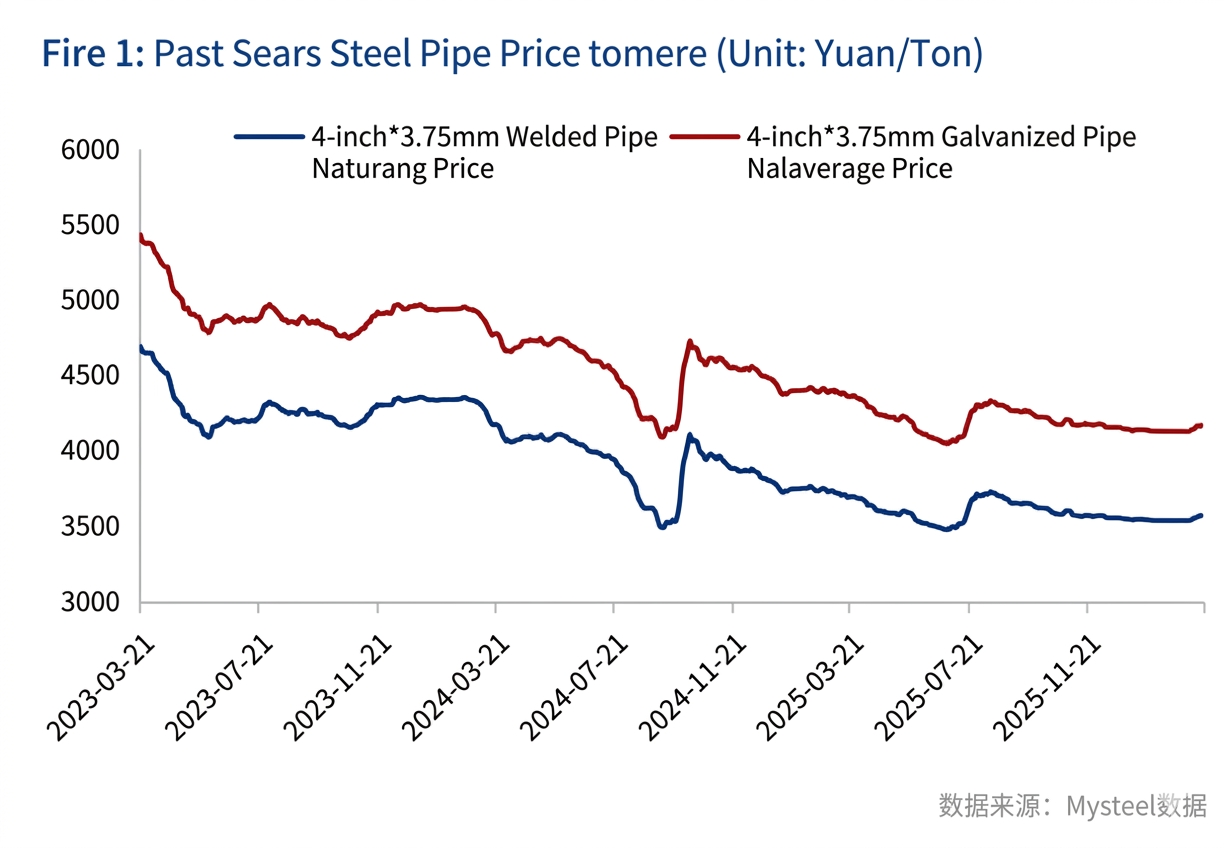
As of March 20, national average prices for standard 4-inch*3.75mm pipes are as follows:
Welded Pipe: 3,565 RMB/ton (up 31 RMB MoM; down 118 RMB YoY).
Galvanized Pipe: 4,161 RMB/ton (up 38 RMB MoM; down 191 RMB YoY).
Despite these small monthly price gains, traders report significant margin compression due to "involutionary" (neijuan) competition. To secure transactions, traders are often absorbing mill price hikes rather than passing them to downstream buyers. Conversely, when mills lower prices, traders adjust downward immediately. Additionally, rising oil prices have increased freight costs (e.g., Handan to Hefei routes have risen by 5–15 RMB/ton), forcing many businesses to reduce warehouse footprints or move to lower-cost areas to maintain efficiency.
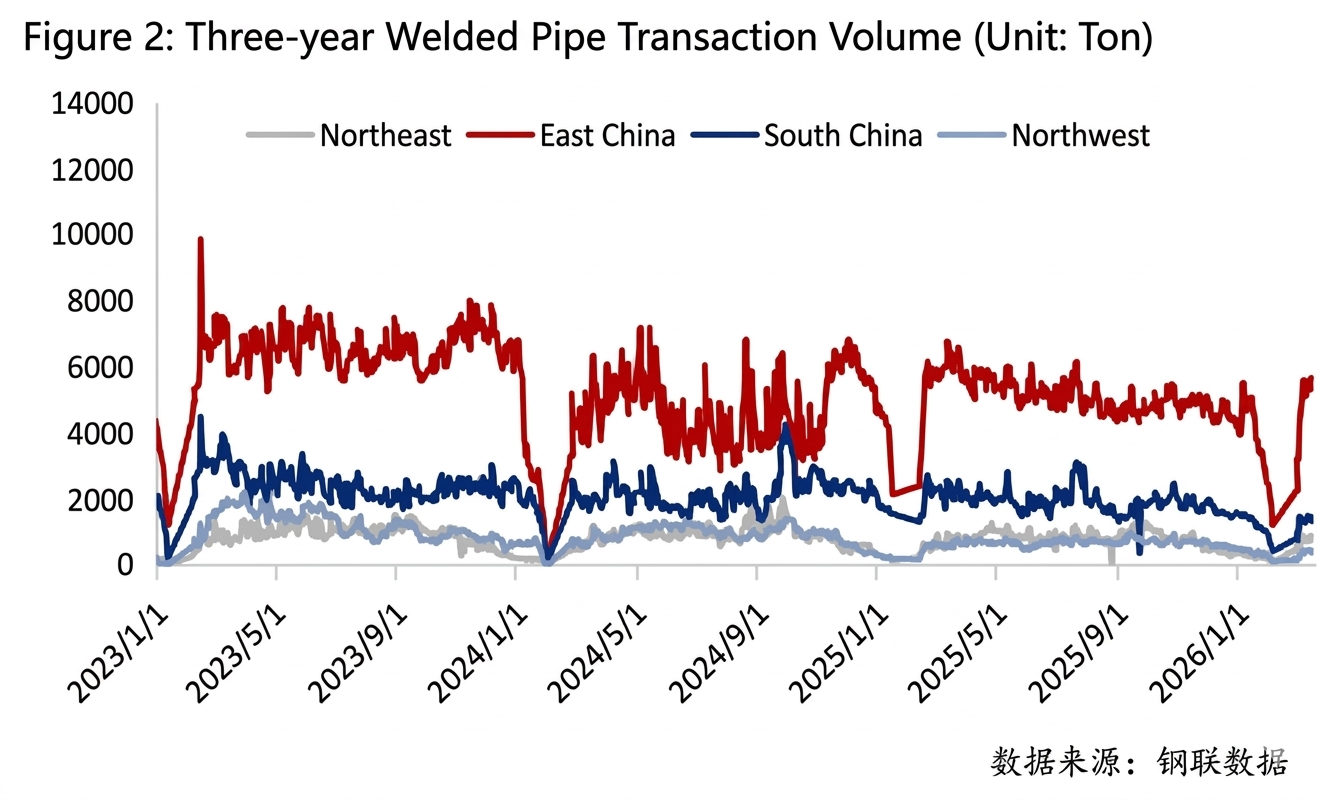
National Bureau of Statistics data for January–February shows a positive start for the overall economy, though external geopolitical risks and domestic structural challenges remain.
Real Estate Investment: 961.2 billion RMB, a 11.1% YoY decrease (a narrowing decline compared to last year).
Residential Investment: 728.2 billion RMB, down 10.7%.
While the macro outlook is stable, the decline in real estate investment continues to pressure demand for construction pipes. Industry participants are encouraged to pivot toward high-growth sectors such as oil and gas, municipal pipe network renovations, and steel structures (sports facilities).