en
en 


Call
+8613406350006


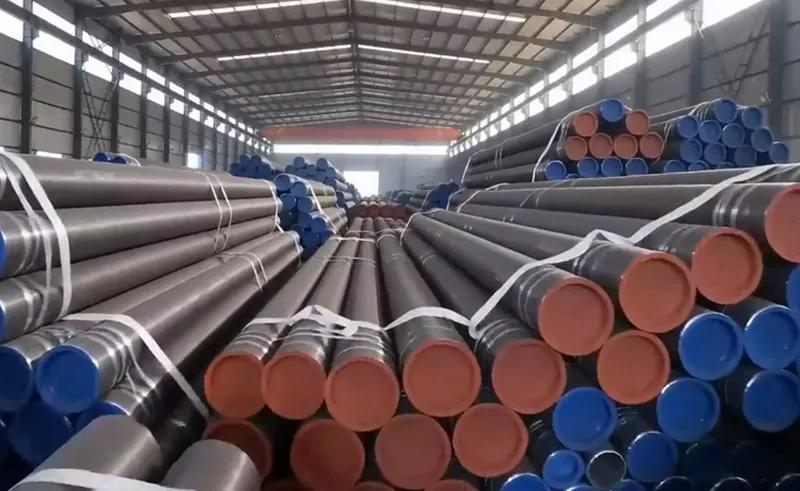
In the first quarter, China’s seamless pipe prices experienced a strategic rebound. As of March 31, the Mysteel Seamless Pipe Absolute Price Index reached 4164.96 RMB/ton, marking a month-on-month increase of 50.2 RMB/ton and a year-on-year rise of 121.59 RMB/ton. This upward trend is driven by a "resonance" between recovering downstream demand and rising raw material costs. For international procurement managers, understanding whether this rally has "legs" is crucial for timing large-scale orders. While the price floor has solidified, high production rates suggest that the ceiling for further increases may be limited.
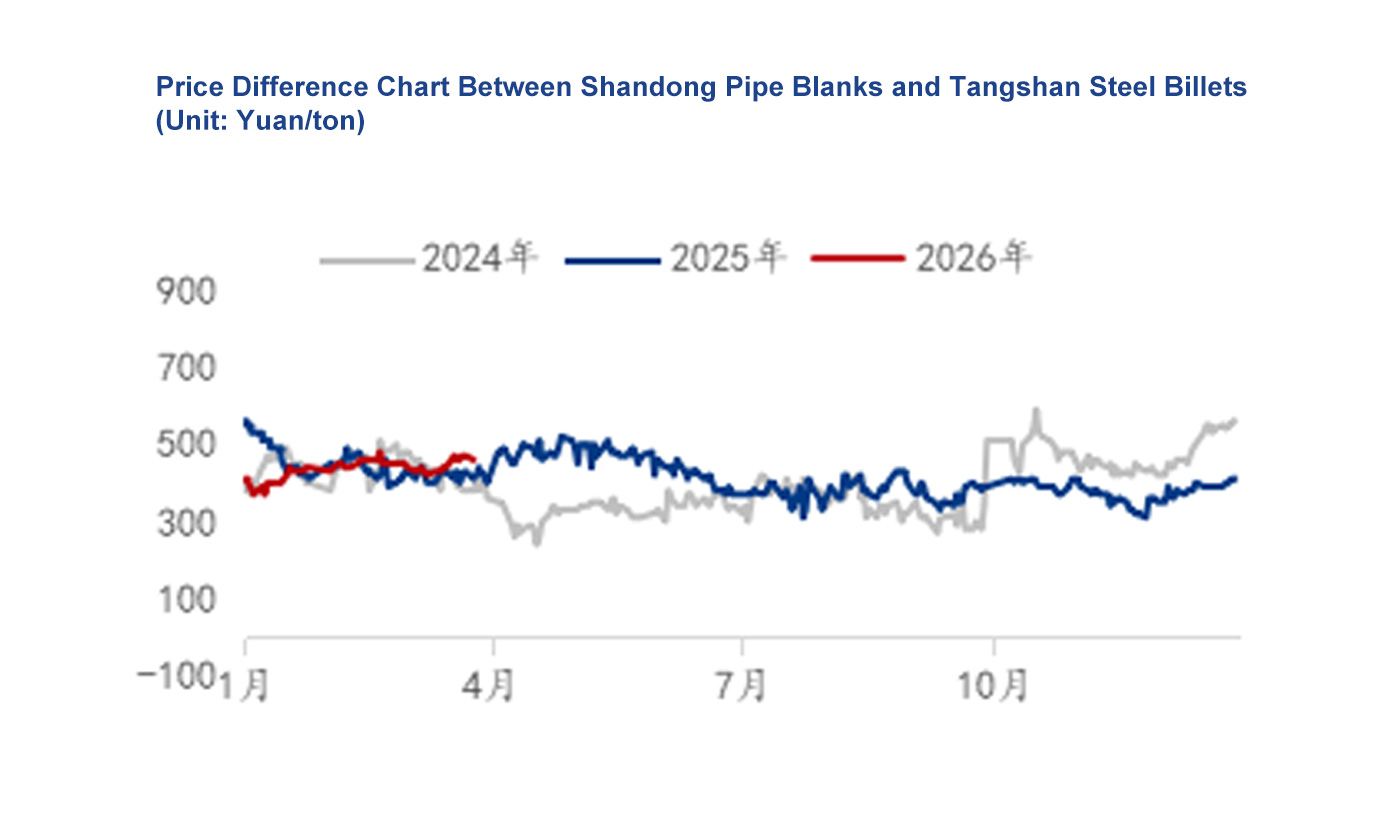
Tube Blank Dynamics: By late March, the price for 20# Φ50 hot-rolled tube blanks in Shandong reached 3400 RMB/ton, up 150 RMB/ton monthly. This was fueled by a concentrated production restart at Northern Chinese mills. The spread between tube blanks and steel billets currently sits at 470 RMB/ton, a mid-level range that suggests limited room for raw material prices to drop in the short term.
Raw Material Pressure: The strengthening prices of iron ore and coking coal have raised the "bottom" of the manufacturing cost. For global buyers, this means the era of "bottom-fishing" at last year's lows may be over for this cycle, as the cost-push effect remains strong.
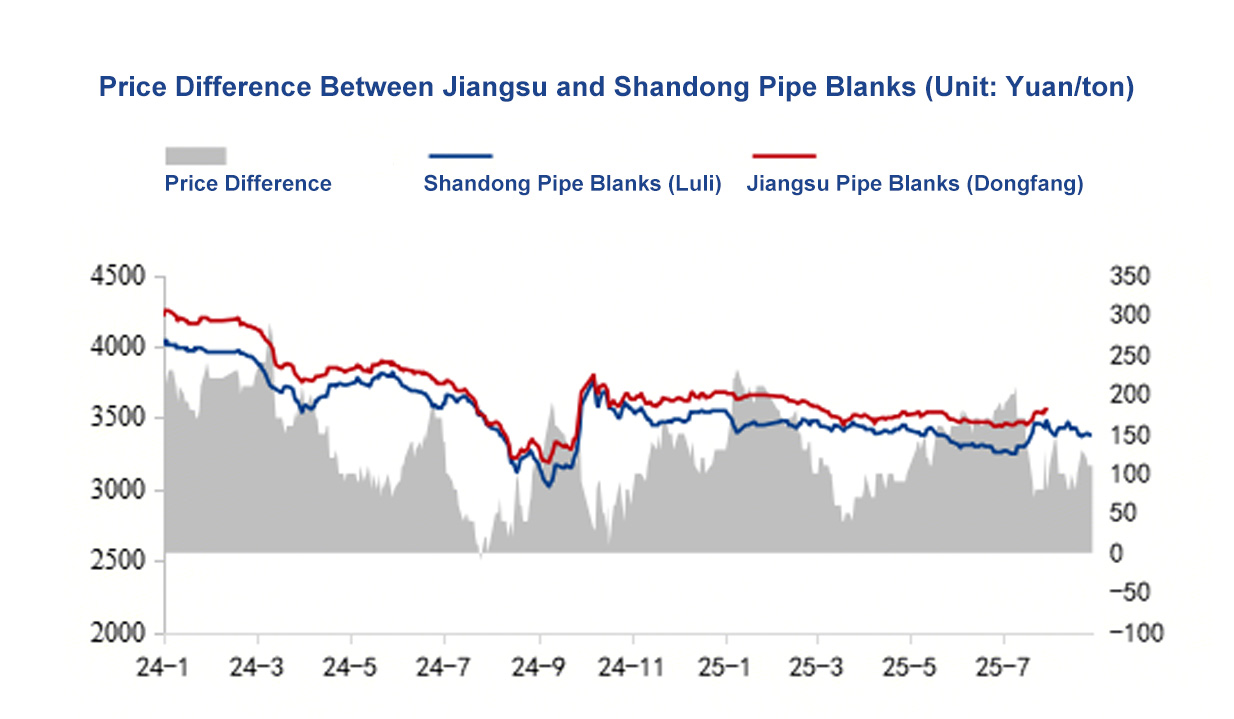
There is a widening gap between Northern and Southern supply chains. The price spread between Jiangsu (South) and Shandong (North) increased by 70 RMB/ton year-on-year.
Southern Mills: Currently enjoy more stable production and saturated order books, leading to firmer pricing.
Northern Mills: Experience higher volatility but currently benefit from increased localized demand. For foreign importers, sourcing from Southern mills may offer more stability in lead times, while Northern mills might offer more aggressive pricing during market fluctuations.
Restored Margins: Profitability for seamless pipe manufacturers has shifted into positive territory for many, with Jiangsu-based mills seeing profits of 160 RMB/ton. This recovery ensures that mills remain active and reliable in fulfilling export contracts.
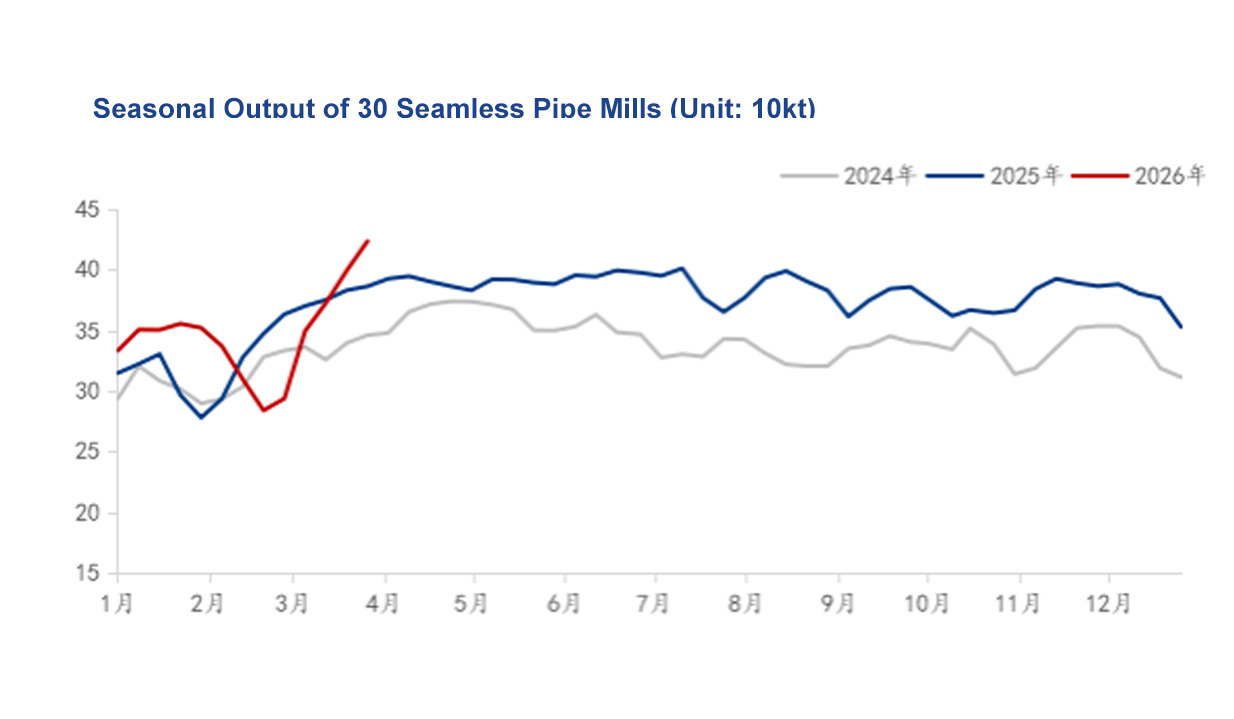
High Capacity Utilization: In the final week of March, weekly output surged to 423,500 tons, with the capacity utilization rate hitting a multi-year high of 84.93% (a 26.05% monthly increase).
Inventory Levels: Factory inventory stands at 772,400 tons. The high utilization rate indicates a robust supply of goods, which acts as a "buffer" against runaway price hikes. This high supply level is the primary reason why further price surges are expected to be "capped."
The current market presents a "Volume-Price Synergy." While raw material costs and demand recovery provide a solid safety net for prices, the rapid return to high-capacity production limits the potential for a massive price breakout. For the international market, this represents a period of stable but firm pricing. Procurement strategies should focus on locking in current rates before further cost-push factors from iron ore and energy take full effect, while keeping an eye on the high supply levels that prevent extreme volatility.