en
en 
Call
+8613406350006

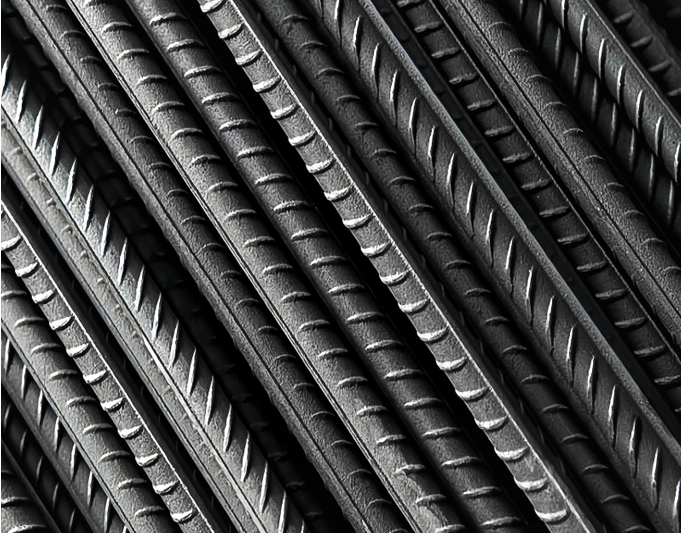
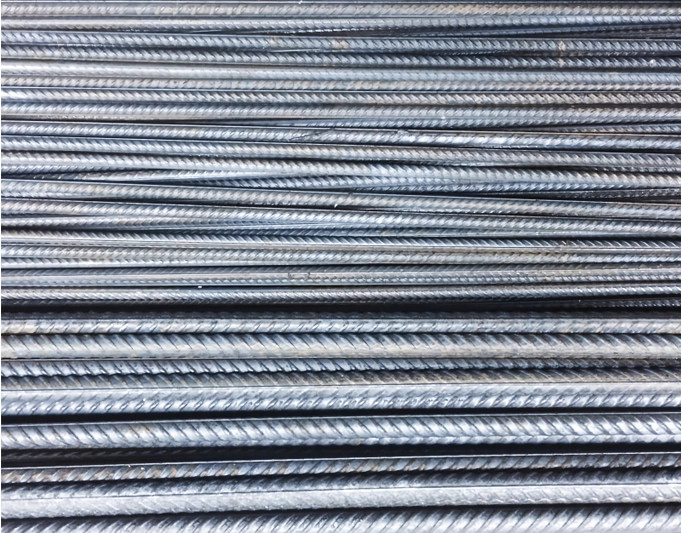


Rebar (Hot-rolled Ribbed Bar) is the skeleton of reinforced concrete structures. The transverse and longitudinal ribs on its surface create immense bond strength with concrete, significantly enhancing the integrity and strength of the member. Our rebar features high strength, good toughness, and excellent weldability, making it an indispensable core material for all civil engineering projects such as houses, bridges, and roads.
| Standard | ASTM / JIS / DIN / GB / EN |
| Grade | - USA (ASTM): ASTM A615 Gr.40/60/75, ASTM A706 Gr.60 |
| - China (GB): GB HRB335, HRB400, HRB500 | |
| - Japan (JIS): JIS G3112 SD390, SD490, SD590 | |
| - Germany (DIN): DIN EN 10080 B500B, B500C | |
| - EU (EN): EN 10080 B500A, B500B, B500C | |
| Material | - Carbon Steel: HRB335, SD390, B500A |
| - Low Alloy Steel: HRB400, HRB500, SD490/590, B500B/C | |
| Sizes | Diameter: 6-50mm |
Significantly Enhances Concrete Tensile Strength: The high strength and ductility of rebar perfectly compensate for concrete's weak tensile strength, ensuring the structure can withstand bending, tension, and shear forces, making it the soul of reinforced concrete structures.
Unique Rib Design Ensures Tight Bonding: The surface ribs and deformations create a powerful mechanical interlock with concrete, enabling the two materials to work together, effectively transferring stress, preventing slippage, and guaranteeing structural integrity.
Excellent Ductility and Seismic Capability: Rebar has good ductility, allowing it to absorb and dissipate substantial energy through plastic deformation rather than immediate brittle failure during catastrophic events like earthquakes, thereby enhancing building safety.
Cost-Effectiveness and Environmental Benefits: Rebar is the most widely used steel product in construction, readily available, and cost-advantaged. Furthermore, much rebar is produced using recycled steel, supporting green building and sustainability requirements.
Rebar is produced by hot rolling on a bar mill. Billets are heated to 1150–1250°C and rolled to the required diameter (6–50 mm). Ribs are formed during rolling by grooves in the rolls. For higher grades (500 MPa and above), thermomechanical controlled processing (TMCP) or microalloying (V, Nb) is employed. After rolling, rebar may be quenched and self-tempered (QST). It is then cut to length and bundled.
Excellent load-bearing capacity, ensures structural stability under heavy loads.
Ribbed surface enhances adhesion with concrete, preventing slippage.
Hot-dip galvanized or epoxy-coated versions extend service life in harsh environments.
Building Structures: Reinforcement skeletons for beams, columns, slabs, and walls of houses.
Infrastructure Construction: Bridges, tunnels, dams, airports, ports.
Industrial Buildings: Factories, equipment foundations.
Other Civil Engineering: Slope protection and retaining walls for highways and railways.
Our rebar strictly implements national standards like GB1499.2, and we can provide third-party quality inspection reports. We ensure yield strength, tensile strength, elongation, and bending properties all meet standards.
We offer convenient custom services:
Cut-to-length
Bending (according to drawings)
Products are bundled with steel straps, clearly marked. We have a large transport fleet and a mature logistics network. We work with professional and reliable logistics partners to ensure the products arrive safely at your designated port of destination. Shipments are available from major ports like Shanghai, Tianjin, delivering globally.