en
en 
Call
+8613406350006

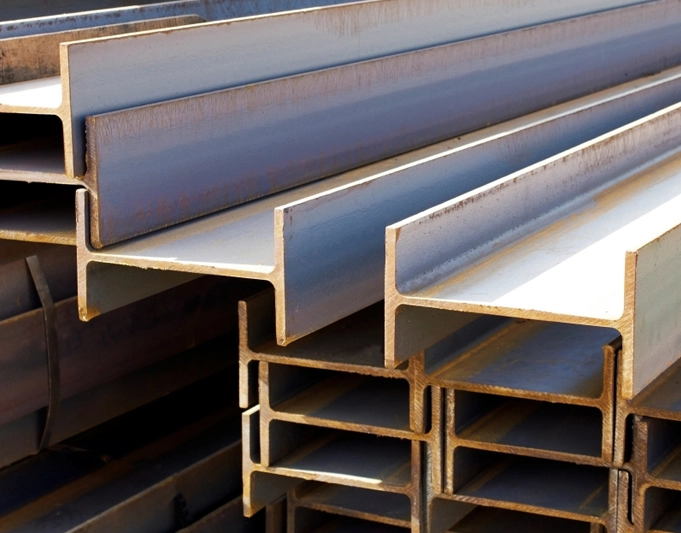
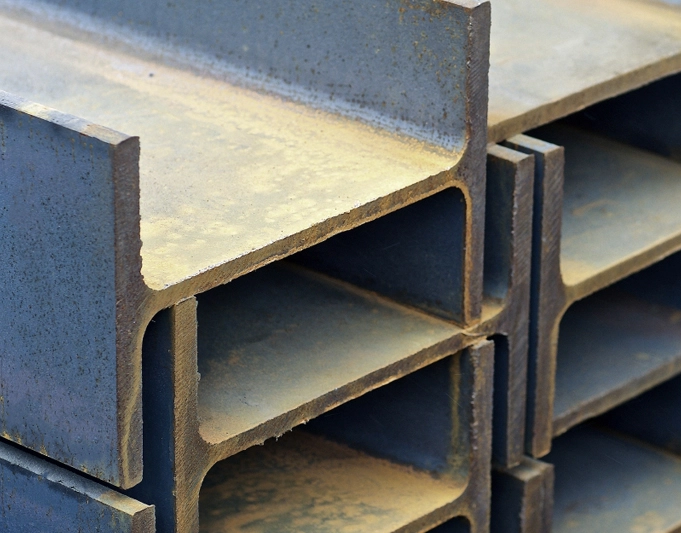
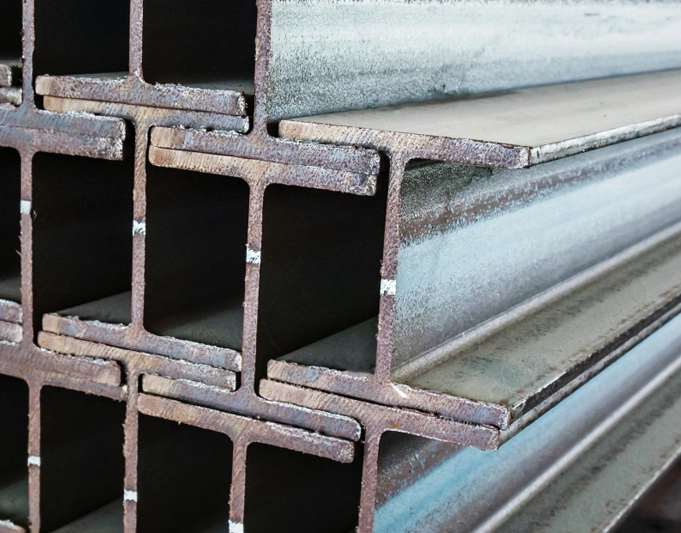


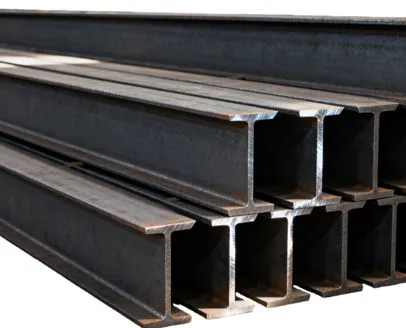
H-beam steel is an economical and efficient structural section, named for its cross-section resembling the letter "H". It is renowned for its optimized sectional shape and excellent strength-to-weight ratio, offering outstanding load-bearing capacity and stability in both principal planes (strong and weak axes). Our H-beams are the ideal skeletal material for constructing industrial plants, high-rise buildings, bridges, and other large-scale structures.
| Standard | ASTM / JIS / DIN / GB / EN |
| Grade | - USA (ASTM): ASTM A36, ASTM A572 Gr.50/60 |
| - China (GB): GB Q235, Q345 | |
| - Japan (JIS): JIS G3192 SS400, SM490 | |
| - Germany (DIN): DIN EN 10025 S235JR, S355JR | |
| - EU (EN): EN 10025-2 S235JR, S275JR, S355JR | |
| Material | - Carbon Steel: Q235, SS400, S235JR |
| - Low Alloy Steel: Q345, SM490, S355JR | |
| Sizes | Height: 100-900mm |
| Flange Width: 100-300mm | |
| Web Thickness: 6-20mm | |
| Flange Thickness: 10-30mm |
Reasonable section design, high bearing capacity with material saving.
Excellent bending resistance, ideal for heavy-load structures.
Standard size, convenient for assembly and construction.
Optimal Flexural Rigidity and High Load Capacity: The H-section design concentrates material in the highest-stress areas, resulting in a large section modulus, vastly superior bending resistance, and load capacity compared to I-beams, ideal for large spans and high-rise structures.
High Efficiency and Material Savings: The scientifically engineered cross-section can save 15%-20% more metal than concrete or standard steel structures and reduces structural dead weight by 30%-40%, lowering foundation requirements and overall engineering costs.
Simplified Construction and High Stability: Uniform size and shape facilitate fast on-site assembly, connection, and installation. The structural stability, excellent plasticity, and toughness ensure strong seismic and impact resistance.
Increased Usable Building Area: Steel columns occupy less floor space than concrete columns, potentially increasing effective building area by 4%-6%, and offering greater design flexibility for interior layouts.
H-beams are produced by hot rolling on a universal mill. Billets are reheated to 1200–1250°C and rolled in a series of passes using horizontal rolls for the flanges and vertical rolls for the web, allowing simultaneous deformation. The rolling process ensures precise control of section modulus and flange thickness. After rolling, the beam is cooled on a cooling bed, straightened by rotary straightening, and cut to length. Ultrasonic testing (UT) may be applied to critical sections.
Building Structures: Load-bearing members like columns and beams for industrial and civil buildings.
Bridge Engineering: Bridge piers, support structures.
Industrial Equipment: Port cranes, equipment supports, pile foundations.
Underground Engineering: Support for tunnels, subway stations.
Our H-beams strictly adhere to international standards like ASTM and JIS, and are certified under the ISO9001 quality management system. We provide complete material certificates and accept third-party inspections.
We offer flexible custom services:
Cut-to-length
End bevelling
Drilling
Shot blasting/painting
Products are bundled and packaged, reinforced with steel straps and edge protectors to prevent deformation during transit. We work with professional and reliable logistics partners to ensure the products arrive safely at your designated port of destination. Shipments are available from major ports like Shanghai, Tianjin, delivering globally.