en
en 
Call
+8613166245535

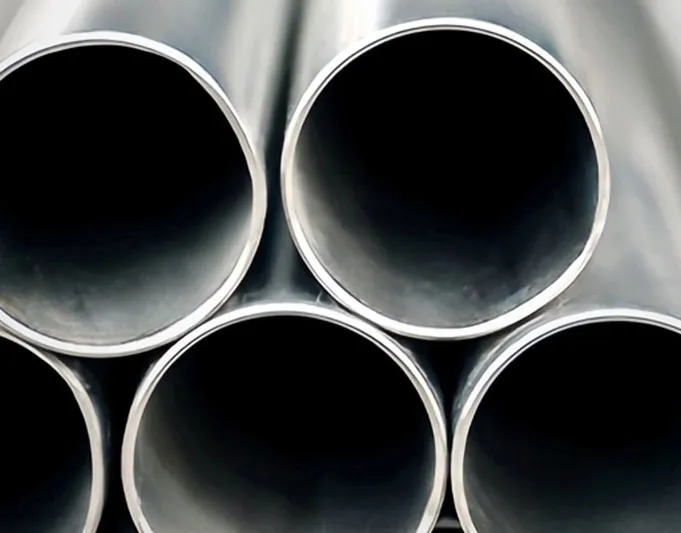
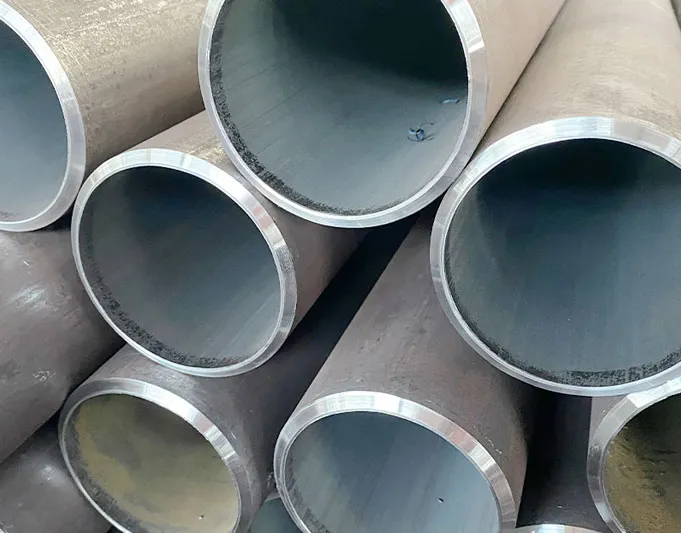
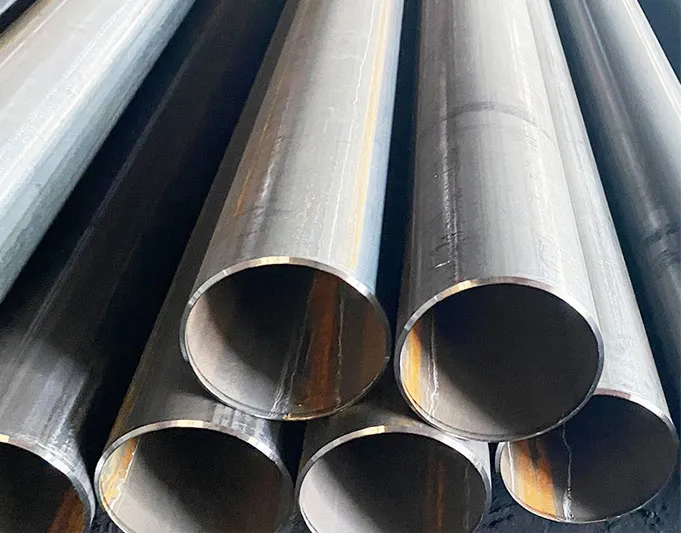
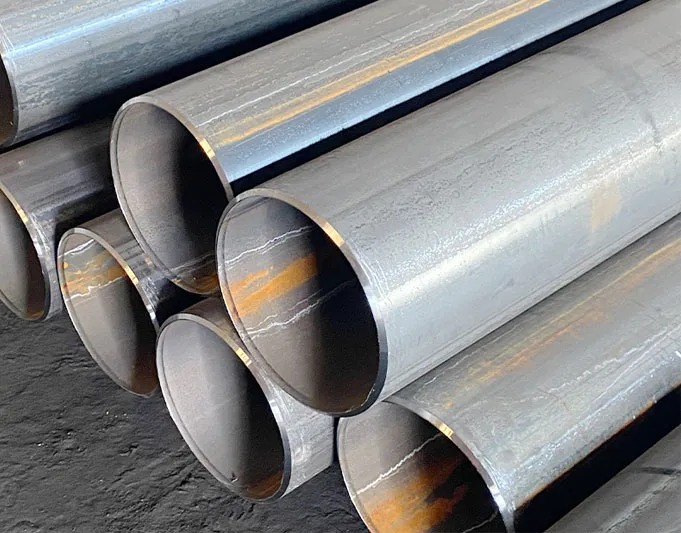
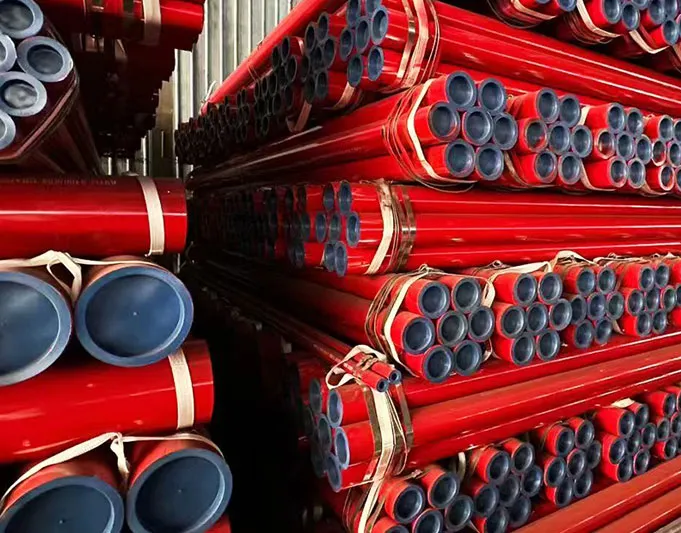
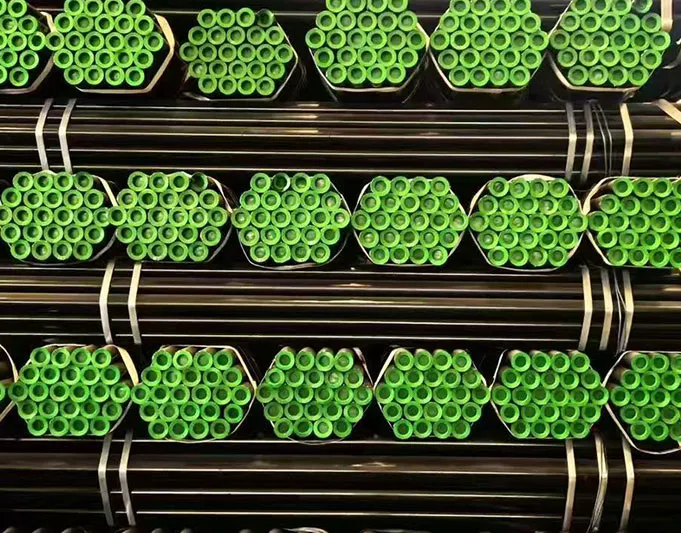
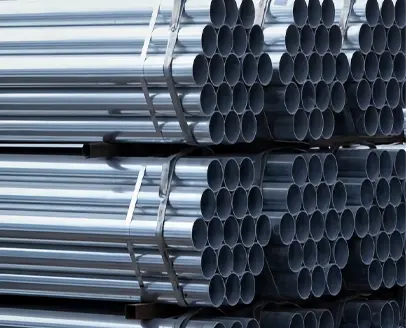
Seamless Steel Pipes are the performance benchmark in the industrial sector. Manufactured from solid round billets through piercing, hot rolling, or cold drawing processes, they contain no weld seams. This monolithic structure gives them outstanding performance in pressure bearing, temperature resistance, corrosion resistance, and safety, making them the preferred choice for high-pressure, high-temperature, flammable, explosive, and critical fluid transmission systems. They provide ultimate reliability for demanding applications in the petroleum, chemical, power, and machinery industries.
| Standard | ASTM / JIS / DIN / GB / GOST / EN |
| Grade | - USA (ASTM/API): API 5L GR.A/GR.B/X42/X46/X52/X56/X60/X65/X70/PSL1/PSL2; ASTM A106 GR.A/GR.B/GR.C; ASTM A53 GR.A/GR.B; ASTM A335 P1/P5/P9/P11/P22 |
| - China (GB): GB Q195/Q215/Q235/Q345; GB 10#/20#/16Mn/45# | |
| - Japan (JIS): JIS G3454, JIS STB410/STB510; JIS STKM13A/STKM15A | |
| - Germany (DIN): DIN 1629/1630, ST37.4/ST44.4/ST52.4 | |
| - Russia (GOST): GOST 10#/20#/35#/45# | |
| - EU (EN): EN 10216-1/2, S235JR/S275JR/S355JR, 16Mo3/13CrMo4-5 | |
| Material | - Carbon Steel: Q195, Q215, Q235, Q345, 10# Steel, 20# Steel, JIS STB410, EN S235JR,A53 Gr.B |
| - Low Alloy Steel: API 5L GR.B/X42-X70, ASTM A335 P1/P5/P9/P11/P22, 16Mn, EN 10216-2 S275JR/S355JR | |
| Sizes | Outside Diameter: 10-800mm |
| Wall Thickness: 1.0-20.0mm |
Weldless, stable under high pressure for fluid transfer.
Superior dimensional & surface accuracy for complex media.
Uniform material, low maintenance cost.
Seamless steel pipes and tubes offer several distinct advantages that make them the preferred choice across a wide range of industries, from oil and gas to construction and manufacturing. One of the most notable benefits is their superior strength and durability. Because they are produced without any welding seams, seamless pipes can withstand higher pressure, temperature, and mechanical stress. This makes them ideal for transporting fluids, gases, and chemicals under demanding conditions where safety and reliability are critical.
Another major advantage lies in their uniform structure and excellent resistance to corrosion and leakage. The absence of welded joints eliminates weak spots, reducing the risk of failure during operation. This ensures a longer service life and lower maintenance costs compared to welded pipes. Seamless tubes also offer a smoother internal surface, which enhances flow efficiency by minimizing friction losses — a crucial factor in energy transmission and fluid transportation systems.
Additionally, seamless steel pipes provide greater precision and versatility in manufacturing. They can be produced in a wide range of diameters, wall thicknesses, and grades to meet specific requirements for mechanical performance and chemical composition. Their consistent geometry allows for easier machining, threading, and fitting, making them highly adaptable for use in various structural and mechanical applications.
Lastly, seamless steel tubes are prized for their aesthetic and practical advantages in engineering and design. Their clean, continuous surface not only offers a professional appearance but also contributes to improved fatigue resistance. Whether used in automotive components, hydraulic systems, or high-pressure boilers, seamless steel pipes deliver a perfect balance of strength, performance, and precision — ensuring reliability in even the most demanding environments.
Seamless pipes are produced via hot rotary piercing (Mannesmann process) or extrusion. Solid round billets are heated to 1200–1280°C in a rotary hearth furnace. In the piercing mill, a piercing plug is forced through the rotating billet to create a hollow shell. This shell is then elongated and rolled to final dimensions using a mandrel mill (MM) or plug mill. For higher precision and thinner walls, cold drawing or cold pilgering is employed: the hot-rolled tube is pickled, lubricated, and drawn through a die or rolled on a pilger mill. Final heat treatment (normalizing, quenching & tempering) is applied to achieve required mechanical properties. Each pipe undergoes NDT (UT, ET) and hydrostatic testing.
High-Pressure Fluid Transmission: Petroleum cracking pipelines, high-temperature steam pipelines, boiler feedwater pipes.
Pressure Vessel Manufacturing: Boiler tubes, heat exchanger tubes, chemical reactor vessels.
Machinery & Automotive: Hydraulic cylinder barrels, bearing rings, transmission shafts.
Energy & Power: Power plant high-pressure pipelines, conventional island pipelines for nuclear power.
We hold multiple certifications including API 5CT/5L, ISO9001, and PED. Each steel pipe undergoes eddy current, ultrasonic, or hydrostatic testing before leaving the factory, and authoritative MTC (Mill Test Certificate) certificates are provided. We support third-party inspections such as SGS and BV.
We offer comprehensive custom processing services:
Cut-to-length
End Beveling
Threading
Heat Treatment (Normalizing, Tempering)
Non-Destructive Testing (UT, ET)
Cold Drawing/Cold Rolling Finishing
Products are packaged to export standards using painting marking, bundling, wooden cases/cradles, etc., ensuring rust and impact prevention. We work with professional and reliable logistics partners to ensure the products arrive safely at your designated port of destination. Shipments are available from major ports like Shanghai, Tianjin, delivering globally.