en
en 
Call
+8613166245535



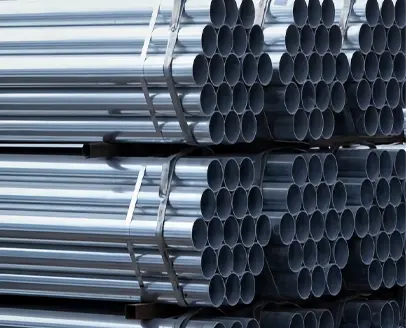
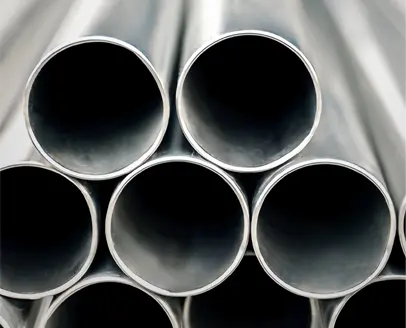
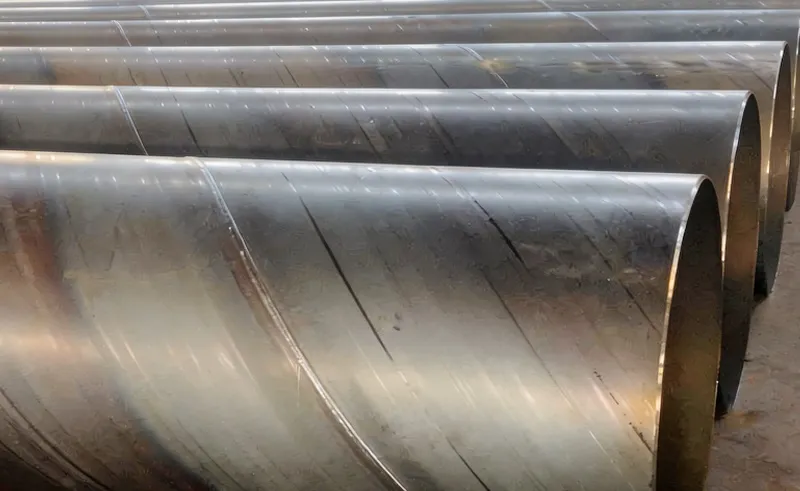
Straight Seam Welded Pipes (ERW/HFW) are formed in one step from high-quality steel coils using High-Frequency Resistance Welding or High-Frequency Induction Welding technology. This efficient manufacturing process ensures strong and reliable weld quality. As one of the professional ERW pipe manufacturers, our straight seam welded pipes feature high dimensional accuracy, excellent concentricity, and superior cost-effectiveness, making them an ideal choice for medium to low-pressure applications such as building structures, fluid transportation, and machinery manufacturing, providing you with an economical and efficient piping solution.
| Standard | ASTM / JIS / DIN / GB / GOST / EN |
| Grade | - USA (ASTM/API): API 5L GR.B/X42/X46/X52/X56/X60/X65/X70 PSL1/PSL2; ASTM A53 GR.A/GR.B; ASTM A106 GR.A/GR.B/GR.C |
| - China (GB): GB Q195/Q215/Q235/Q345; GB 20#/16Mn | |
| - Japan (JIS): JIS SGP/SGH400; JIS STK400/STK490/STK540; JIS STKM11A/STKM12A/STKM13A/STKM14C | |
| - Germany (DIN): DIN ST37.4/ST44.4/ST52.4 | |
| - Russia (GOST): GOST 10#/20#/35#/45# | |
| - EU (EN): EN S235JR/S235JO/S235J2; EN S275JR/S275JO/S275J2; EN S355JR/S355JO/S355J2 | |
| Material | - Carbon Steel: Q195, Q215, Q235, Q345, 10# Steel, 20# Steel, 35# Steel, 45# Steel, API 5L GR.B, ASTM A53 GR.B, JIS SGP, EN S235JR |
| - Low Alloy Steel: API 5L GR.B/X42/X46/X52/X56/X60/X65/X70, ASTM A106 GR.B, JIS STK500, 16Mn Steel, EN S355JR | |
| Sizes | Outside Diameter: 10-600mm |
| Wall Thickness: 1.0-12.0mm |
High production efficiency, economical for mass production.
Easy control over dimensions, smooth inner & outer surfaces.
HFW pipes weld properties close to base metal.
Electric Resistance Welded (ERW) and High-Frequency Welded (HFW) pipes are widely recognized for their quality, efficiency, and versatility in various industries such as oil and gas, construction, water supply, and automotive manufacturing. One of the primary advantages of ERW/HFW pipes is their consistent and precise dimensional accuracy. These pipes are manufactured using high-frequency electrical currents to heat and join steel edges without the need for additional filler materials. This advanced process ensures uniform wall thickness, smooth surfaces, and tight tolerances, making them ideal for applications requiring precision and reliability.
Another key benefit lies in their high strength and excellent weld integrity. The welding process used in ERW/HFW pipes creates a strong and durable bond that is often as strong as the base metal itself. This results in pipes that can withstand high pressure, impact, and mechanical stress without leakage or deformation. Moreover, the smooth internal surface minimizes frictional resistance, allowing for efficient fluid and gas flow — a crucial factor in pipelines and mechanical systems where performance and efficiency matter.
ERW/HFW pipes also stand out for their cost-effectiveness and production efficiency. Unlike seamless pipes, which require more complex and expensive manufacturing methods, ERW/HFW pipes can be produced quickly and economically from steel coils. This makes them a practical choice for large-scale projects where both quality and affordability are important. Their availability in various sizes, thicknesses, and grades further enhances their versatility across multiple sectors.
Lastly, these pipes offer excellent corrosion resistance and adaptability. They can be made from galvanized or specially coated steel to enhance protection against rust and environmental damage, extending their service life even in demanding environments. Because of their easy fabrication, lightweight structure, and compatibility with different joining methods, ERW/HFW pipes are a preferred solution for both above-ground and underground applications. In summary, ERW/HFW pipes combine strength, precision, durability, and affordability — making them a reliable backbone for modern industrial infrastructure.
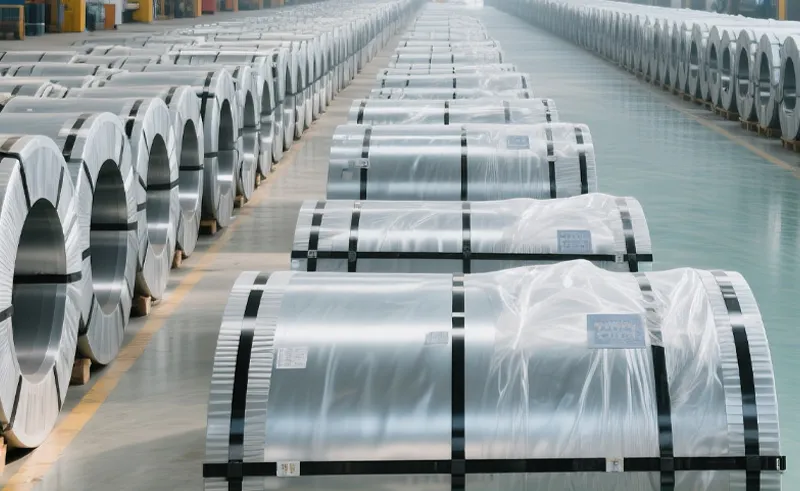
Our straight seam welded pipes are produced using advanced high-frequency (HF) welding technology. The process begins with high-quality hot-rolled or cold-rolled steel coils, which are uncoiled, leveled, and trimmed to precise width. The strip is gradually formed into a cylindrical shape through a series of forming rolls. The open seam is then instantly heated to 1200–1500°C using high-frequency resistance (ERW) or induction (HFW) current at frequencies of 350–450 kHz, creating a molten zone that is forged together under pressure without filler metal. The welded pipe undergoes in-line normalizing using intermediate-frequency induction heating to refine the weld microstructure and relieve stress. It is then sized through a multi-stand sizing mill, straightened, and cut to length. Final quality is ensured through online non-destructive testing (NDT) including ultrasonic and eddy current inspection.
Water and Gas Transmission: Building water supply and drainage, firefighting, gas transmission pipelines.
Building Structures: Scaffolding, steel structure supports, fences, guardrails.
Machinery Manufacturing: Agricultural machinery components, conveyor rollers, tubing for furniture.
Low-Pressure Fluid Systems: HVAC ducts, low-pressure hydraulic systems.
Our straight carbon steel ERW pipe production follows a strict ISO9001 quality management system. Products can be certified to ASTM, API, EN, and other standards, with corresponding MTC (Mill Test Certificate) provided. We support third-party inspections to ensure products meet your specifications and quality requirements.
We offer flexible custom processing services to meet your specific needs:
Cut-to-length
Deburring/Squaring Ends
Galvanizing (can be coordinated with subsequent galvanized pipe production)
Threading
Punching/Stamping
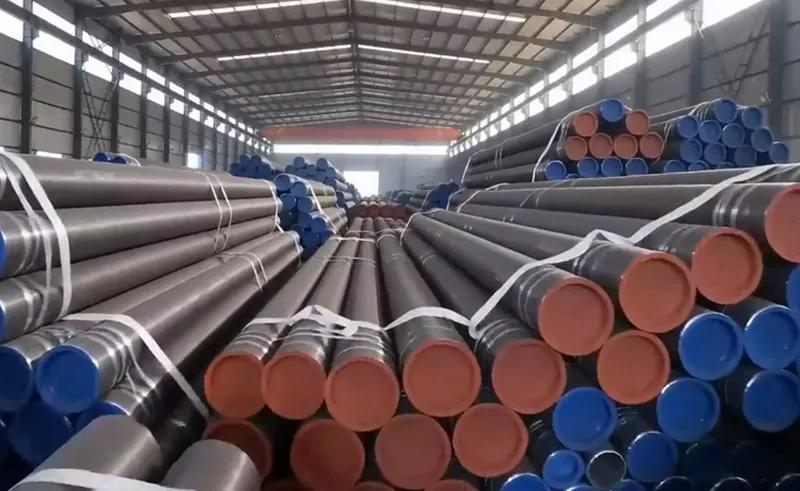
Products are bundled and packaged, wrapped with anti-rust paper and plastic film, and secured with sturdy wooden cradles, suitable for land and sea transportation. We work with professional and reliable logistics partners to ensure the products arrive safely at your designated port of destination. Shipments are available from major ports like Shanghai, Tianjin, delivering globally.