en
en 


Call
+8613166245535


The concept of Winter Storage, traditionally a cornerstone of the Chinese steel industry, has undergone a radical transformation over the last five years. Historically, market participants relied on the cyclical nature of the Lunar New Year to stockpile inventory at lower year-end prices, anticipating a robust demand surge and price appreciation in the spring. However, data from 2020 through 2025 reveals a significant shift in this pattern that has fundamentally altered trader behavior in 2026.
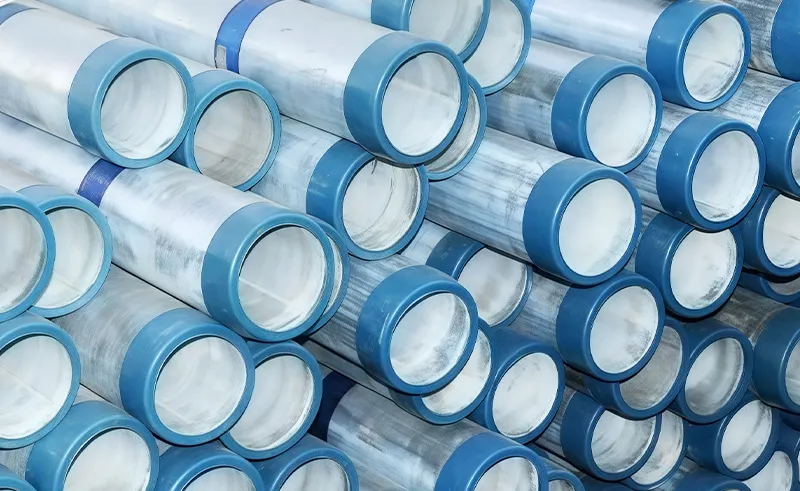
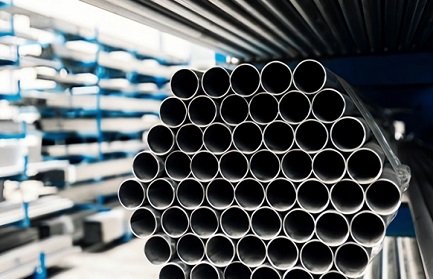
Analyzing the price performance of welded and galvanized pipes in the Shanghai market shows that a significant post-holiday rally occurred only in 2021. In contrast, the period between 2023 and 2025 was characterized by a brief price lift followed by a sustained decline.
The 2025 market served as a critical turning point for the industry. Following the holiday, prices plummeted in March and remained suppressed until a minor technical rebound in July. This prolonged downturn resulted in substantial capital losses for those who had committed to large-scale winter storage, leading to the current climate of extreme caution.
Current 2026 pricing structures suggest that the market is stuck in a deadlock. While there is potential for a price adjustment of 100 to 150 yuan per ton before the festive break, the downward room is limited by rising raw material costs and the rigid production expenses faced by pipe mills.
The historical profitability of winter storage has diminished, forcing a transition from speculative hoarding to strategic risk management. Most enterprises now view the post-holiday upside as neutral, recognizing that success depends more on specific mill policies and rebates than on general market momentum.
The fundamental landscape of the pipe industry in 2025 can be summarized as a struggle between supply-side self-rescue and cooling downstream demand. As we move further into 2026, the industry is grappling with the realization that production cuts alone cannot offset the structural shifts in consumption.
Throughout 2025, pipe mills attempted to stabilize the market by reducing output. However, the reduction in demand from the construction and infrastructure sectors was more rapid than the contraction in supply. This resulted in a persistent overhang of factory inventory that pressured prices throughout the first half of the year.
Social inventory levels in early 2026 have hit multi-year lows. This is not necessarily a sign of a supply shortage, but rather a reflection of the "active destocking" strategy adopted by traders. By maintaining lean inventories, merchants are prioritizing liquidity and capital safety over the potential gains of high-volume stockpiling.
Profitability has seen a sharp regional divergence. Data from the end of 2025 indicated that while tolling mills in regions like Jiangsu managed to maintain positive margins through high-value product mixes, mills in Shandong faced losses as they struggled with the homogenization of ordinary seamless pipes.
For 2026, the industry expects a "benign repair" of fundamentals. This involves a more disciplined approach to production, where mills align their output strictly with confirmed orders, thereby preventing the inventory surges that traditionally lead to price collapses in late March.
The real estate sector has historically been the largest consumer of galvanized and welded pipes. The ongoing downturn in this sector has directly impacted the total volume of pipe consumption. However, the 15th Five-Year Plan (2026–2030) and recent policy signals from the National Housing and Urban-Rural Development Work Conference provide a roadmap for a new era of stable demand.
The government's focus is shifting from massive new developments to the high-quality development of "Good Houses." This initiative emphasizes urban stock optimization and the renovation of existing residential structures, which creates a specialized demand for high-quality building services pipes.
The rise of the second-hand housing market is now recognized as a permanent structural trend. As transactions shift from new builds to secondary homes, the demand for pipes is moving toward the renovation and maintenance sectors. This requires manufacturers to adapt their sales channels to cater to fragmented, smaller-scale renovation projects.
Beyond real estate, the energy sector remains a bright spot. State Grid’s announcement of a 4 trillion yuan investment in the power system during the 15th Five-Year Plan offers significant opportunities for specialized alloy and high-pressure boiler tubes used in power generation and distribution.
Infrastructure investment in 2026, particularly in water conservancy and municipal piping, is expected to remain at a high level. These projects provide a crucial floor for demand, offsetting the decline in traditional commercial real estate and ensuring that the overall consumption of pipe products remains steady.
As the industry concludes its winter storage cycle for 2026, the focus has shifted toward institutional resilience and long-term sustainability. The industry is no longer characterized by the rapid growth of the previous decade but by a sophisticated effort to balance supply-chain efficiency with global trade complexities.
Export markets reached a historic milestone in 2025, exceeding 6 million tons. However, the introduction of the new Export License Management system on January 1, 2026, introduces a layer of regulatory oversight intended to standardize the industry and curb the export of low-quality, low-priced products.
While total export volumes may see a slight correction in 2026 to the 5.6 to 5.8 million ton range, the quality and value of these exports are expected to improve. Chinese manufacturers are increasingly focusing on the Middle East and Southeast Asia, regions where infrastructure demand remains robust and trade barriers are relatively lower compared to Western markets.
The 2026 market will be a year of "price stabilization." With the real estate market hitting a floor and manufacturing PMI returning to the expansion zone, the extreme volatility seen in previous years is likely to subside. This provides a more predictable environment for long-term planning and investment in technology.
Success in this "New Normal" will be determined by three factors: product differentiation, cost-control through supply chain synergy, and the ability to leverage financial hedging tools to manage raw material volatility. Those who adapt to these structural changes will be best positioned to achieve sustainable profitability in a maturing market.