en
en 
Call
+8613166245535

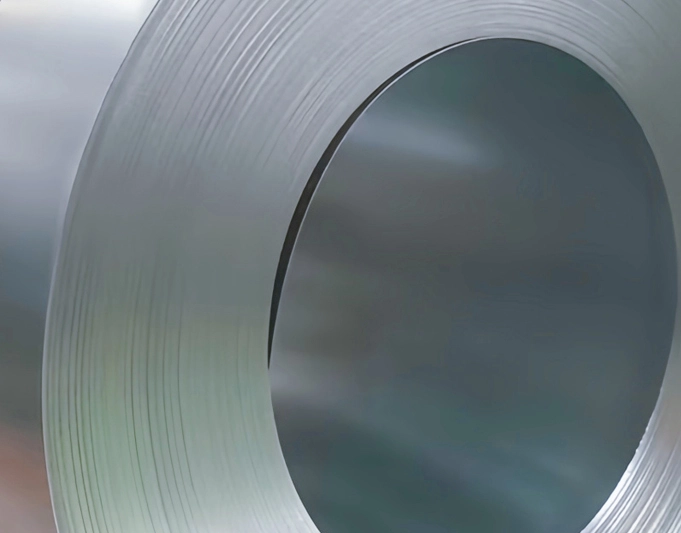
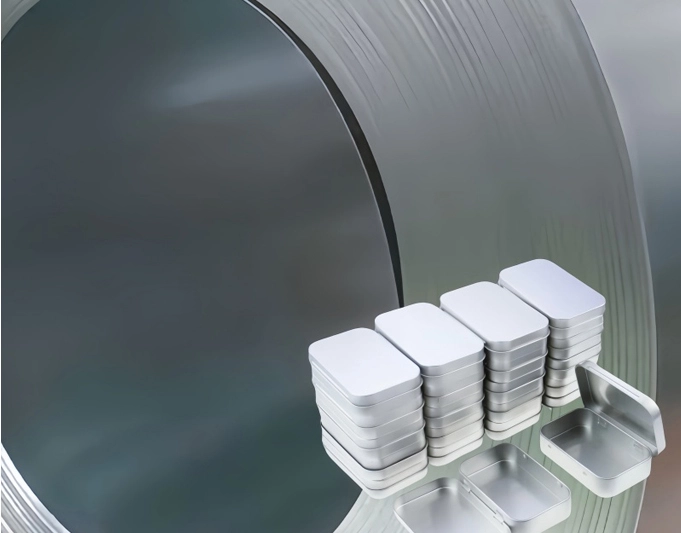
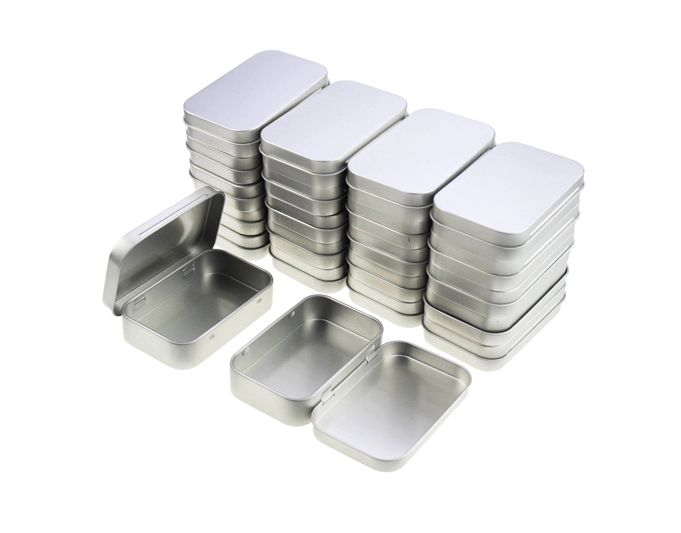


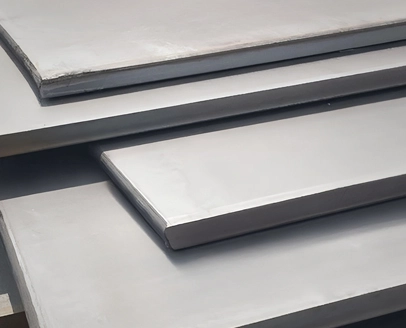
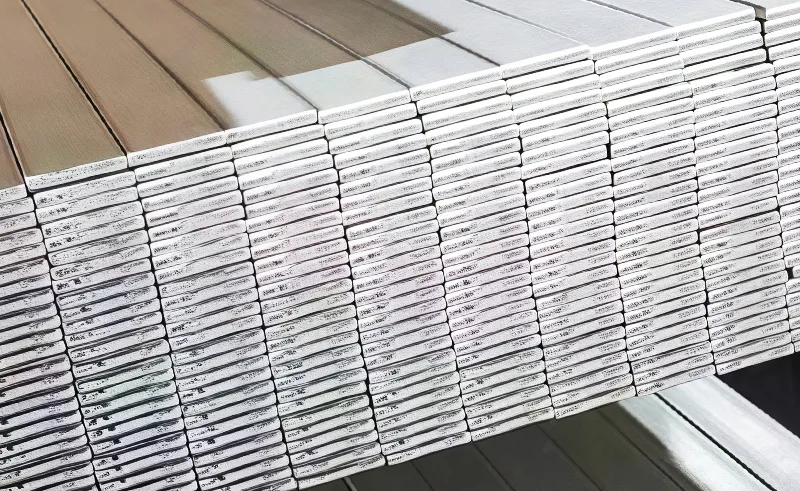
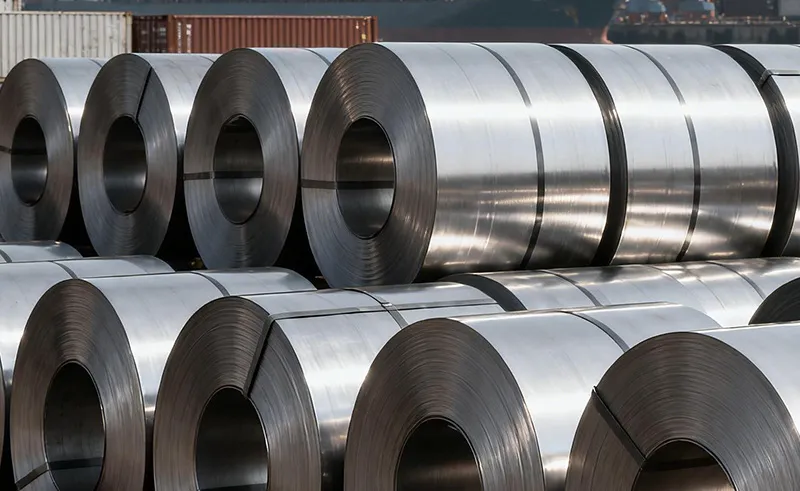
Electrolytic Tinplate, commonly known as Tinplate, is a steel product with a pure tin coating applied via an acid electroplating process onto a very thin, cold-rolled, low-carbon steel substrate. It combines the strength and formability of steel with the bright appearance, corrosion resistance, non-toxicity, and excellent solderability of tin. Our tinplate is the preferred packaging material for food cans, beverage cans, chemical cans, aerosol cans, and various precision hardware products.
| Standard | ASTM / JIS / DIN / GB / EN |
| Grade | - USA (ASTM): ASTM A623, ASTM A624 |
| - China (GB): GB MR T-1.5/2.0/2.5/3.0... | |
| - Japan (JIS): JIS SPCC-T, JIS SPCE-T | |
| - EU (EN): EN DR620T, EN DR720T, EN DR820T | |
| Material | - Carbon Steel: Base steel is a very low-carbon, rephosphorized or non-rephosphorized steel (e.g., MR, L, D types), coated with a layer of tin on both sides. |
| Sizes | Thickness: 0.13-0.55mm |
| Width: 600-1200mm | |
| Coating Mass: 1.1g/m² - 11.2g/m² (E1 - E4) |
Ideal for direct food contact and safe packaging.
Easy to fabricate into various airtight container shapes.
Excellent Anti-Corrosion and Preservation Properties: The electroplated tin layer forms a strong, uniform barrier against air and moisture, providing powerful oxidation and corrosion resistance, ensuring the safe, long-term storage of food, beverages, and chemicals.
Superb Workability and Printing Adaptability: Possesses the strength of steel and good ductility, allowing for easy stamping, deep drawing, and welding into various container shapes. Its bright surface is perfect for high-definition color printing.
Non-Toxic and Hygienic for Content Purity: The tin coating is chemically stable, non-toxic, and odorless, preventing chemical reactions with food or medicine and protecting the original flavor and nutritional content of the contents, meeting strict food-grade standards.
Combination of Lightweight and High Strength: Through double-reduced (DR) rolling, thinner gauges can be achieved while maintaining high rigidity and strength, reducing the material weight per unit and effectively lowering the cost of packaging containers.
Packaging Containers: Food cans (fish, meat, fruit, vegetables), beverage cans, milk powder cans.
Chemical Packaging: Paint pails, chemical drums, aerosol cans.
Hardware Products: Battery shells, capacitor cases, toys, gift boxes.
Caps & Closures: Crown caps, twist-off caps.
Tinplate is produced from low-carbon cold-rolled steel. The substrate is cleaned electrolytically, pickled, and electroplated in an acidic tin bath (fluoborate or stannous sulfate) at current densities of 10–40 A/dm². Tin coating weight is controlled by the current and line speed (0.5–11.2 g/m²). The strip is then reflowed by induction heating above 232°C to brighten the surface. This is followed by passivation (chromate or cathodic dichromate) and oiling. For DR (Double Reduced) material, an additional cold rolling pass (15–30% reduction) is applied after annealing to increase strength.
We adhere to strict ASTM A623 and food contact material safety standards. We conduct precise tests on tin coating weight, passivation film weight, temper, surface roughness (brightness), and porosity to ensure food safety and smooth can-making processes.
We offer highly precise customization services:
Cut-to-length (sheets)
Slitting (coils)
Selection of different tempers and tin coating weights
Differential Tinplate
Selection of passivation types (Cathodic or Anodic)
Tinplate has extremely stringent requirements for surface quality. We employ clean room packaging, use specialized interleaving paper and anti-rust paper, include desiccants, and secure the product externally with high-strength steel straps and reinforced wooden crates, ensuring zero defects during transportation and storage. We work with professional and reliable logistics partners to ensure the products arrive safely at your designated port of destination. Shipments are available from major ports like Shanghai, Tianjin, delivering globally.